Skip to content
Pineland Technologies

Services

A short list, deliberately.

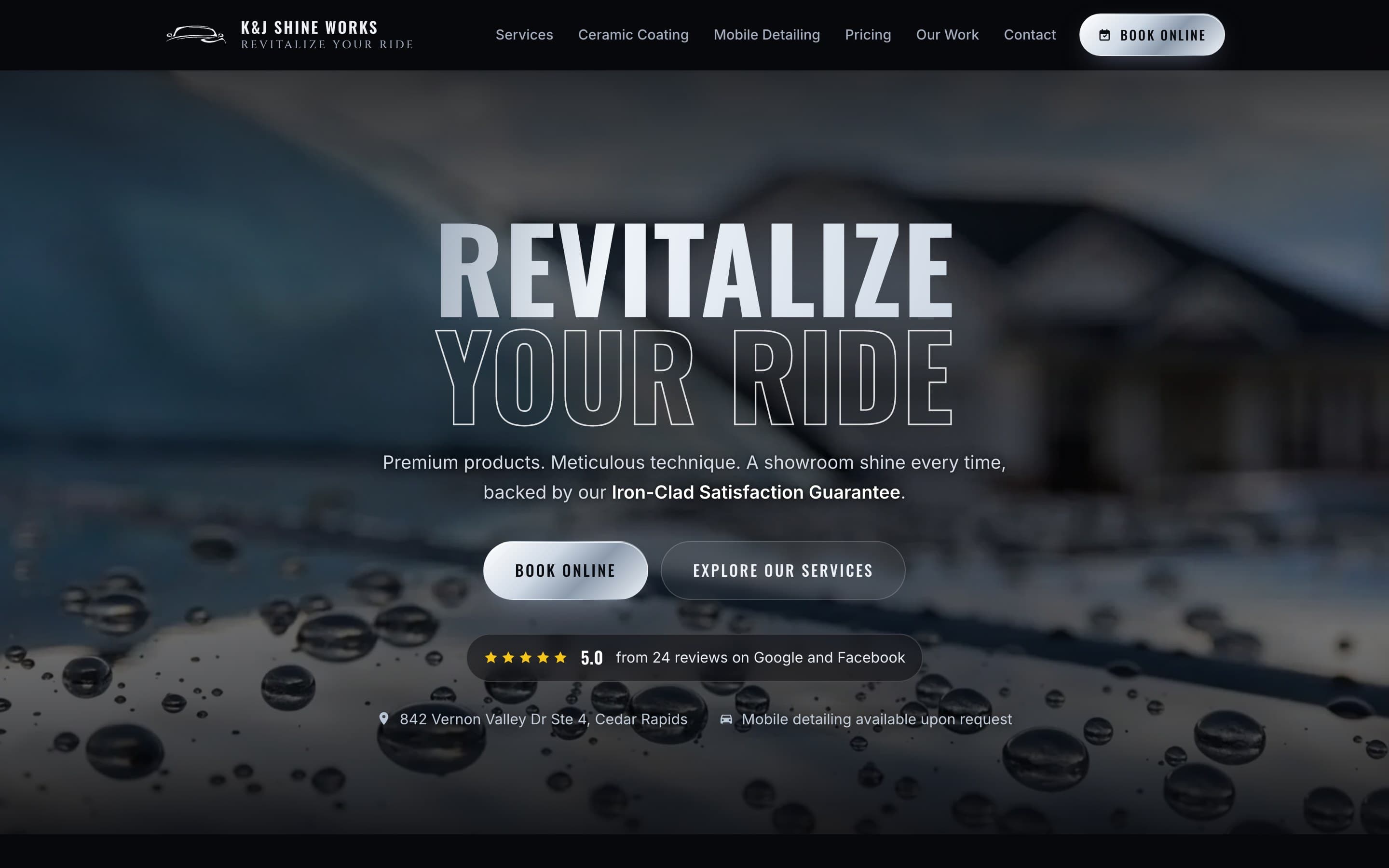
Four services. Everything listed here has shipped to production more than once — which is a materially different claim from being able to spell it.

01

Websites

Marketing sites that load fast, rank, and cost nothing to host.

Most business websites have no reason to run a server. Built the right way, every page renders at build time and gets served from a CDN — which means no cold starts, no runtime to patch, and a hosting bill that rounds to zero. Content lives in data files rather than scattered through components, so adding a service area or changing a phone number is one edit, not thirty.

What that includes

  • Static generation with every page prerendered
  • Programmatic location and service pages driven by one data file
  • Structured data, sitemaps, and a stated AI-crawler policy
  • Migration from WordPress, Wix, Squarespace, or a rented template — with permalinks preserved
  • Analytics and conversion tracking, including server-side where the browser gets blocked
02

Custom software & SaaS

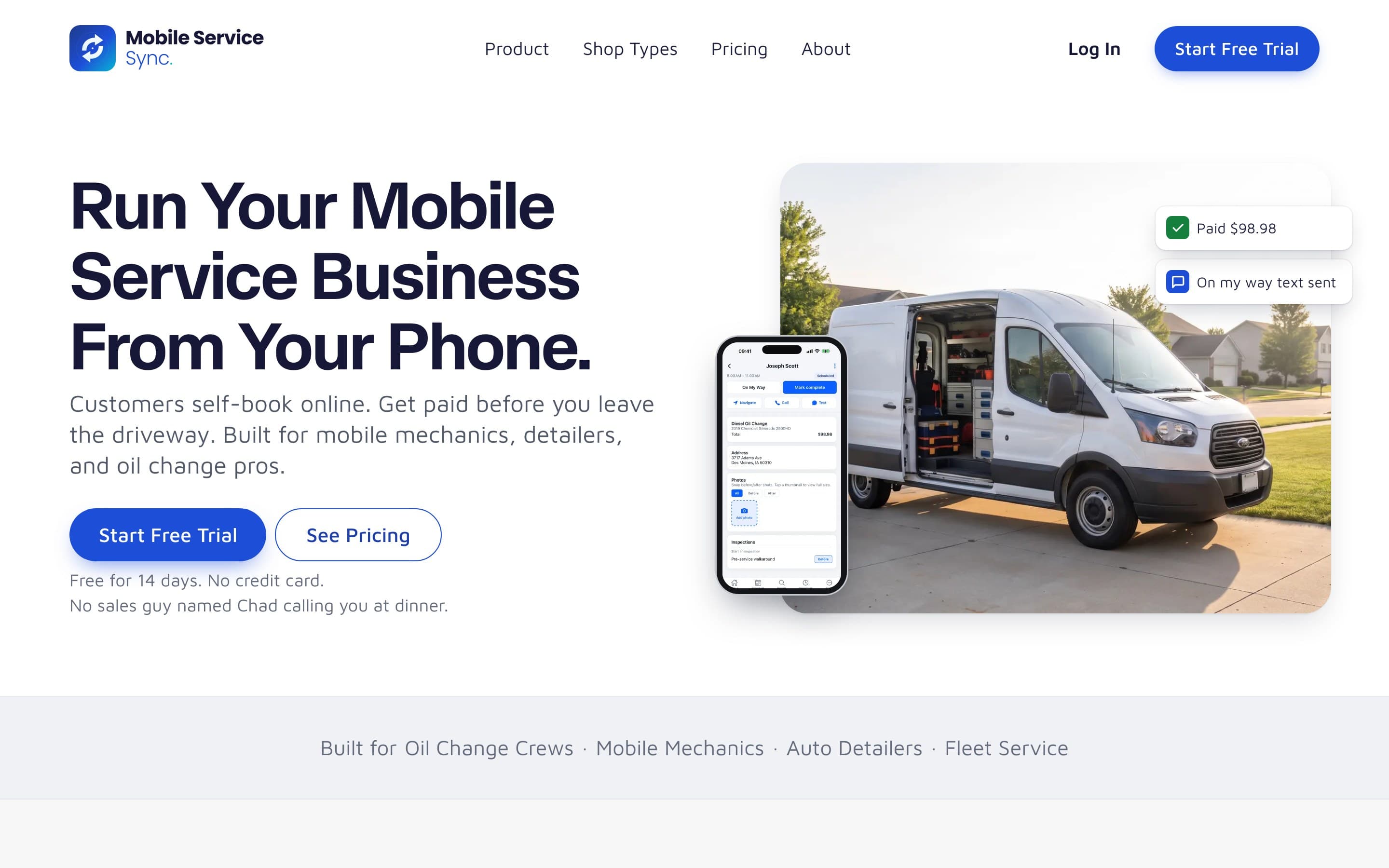
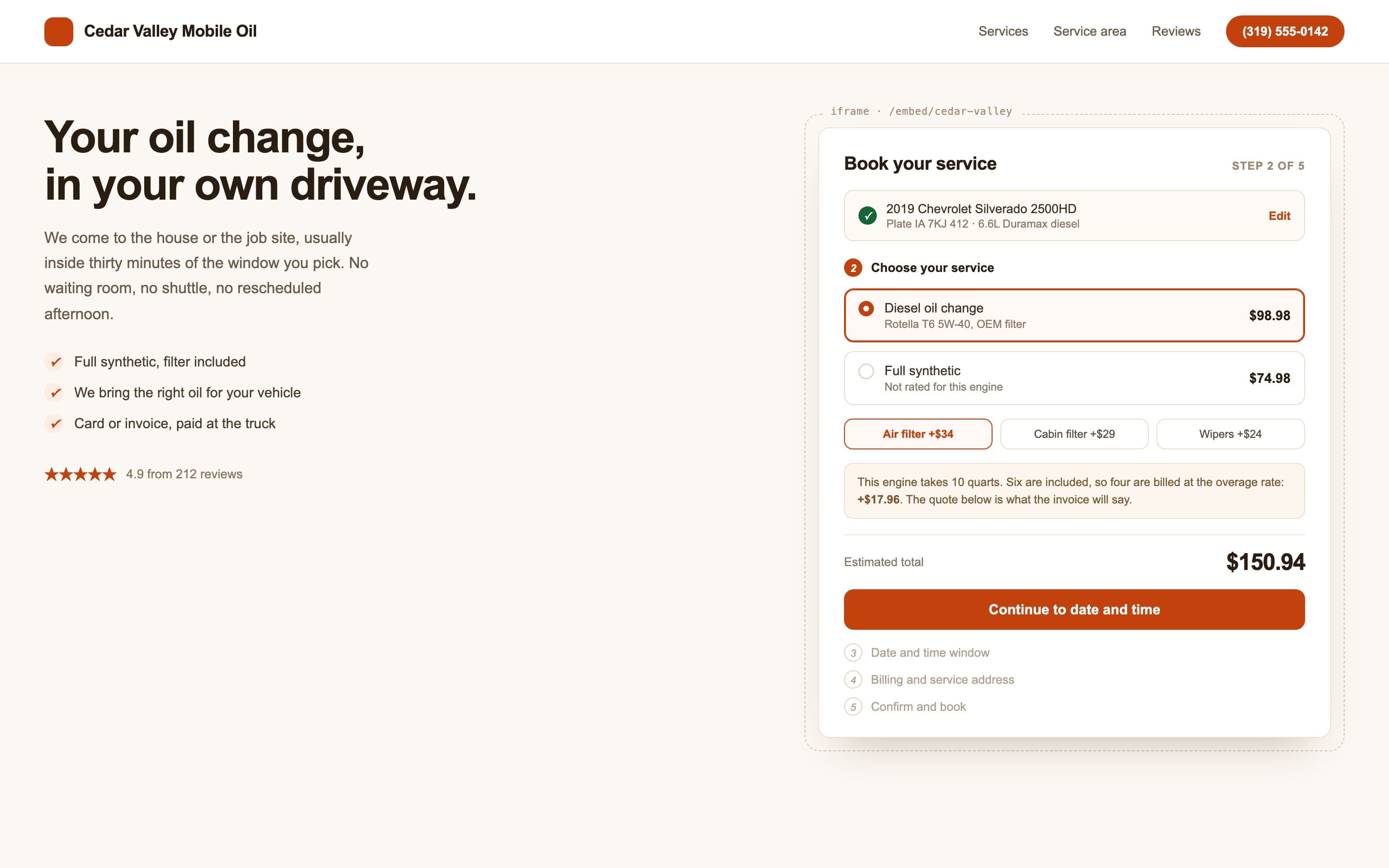
Multi-tenant platforms, client portals, and internal tools.

When the business logic stops fitting in a spreadsheet, it needs a real application: a schema that models the actual domain, authentication that holds up, and integrations with the systems already in use. Built multi-tenant from the schema up when the product serves more than one customer, because retrofitting tenancy later is a rewrite.

What that includes

  • Domain modelling and schema design before any interface work
  • Multi-tenant architecture with enforced row scoping
  • Authentication, roles, and permissions — hosted or self-managed
  • Third-party API integration with mock fallbacks for local development
  • Admin consoles, review queues, and the operational surfaces nobody demos but everybody uses
03

AI systems

Model-backed features that hold up outside the demo.

An AI feature is easy to prototype and hard to ship, because the failure modes are quiet. The work is in the surrounding engineering: constraining what the model is asked to do, validating what comes back, and deciding what happens on the path where it gets it wrong. Built to degrade into something useful rather than something confidently incorrect.

What that includes

  • Content generation and drafting pipelines with human review before publish
  • Classification, extraction, and enrichment over existing business data
  • Retrieval over your own documents, so answers cite something real
  • Structured output with schema validation rather than parsed prose
  • Cost, latency, and fallback behaviour treated as design requirements
04

Mobile apps

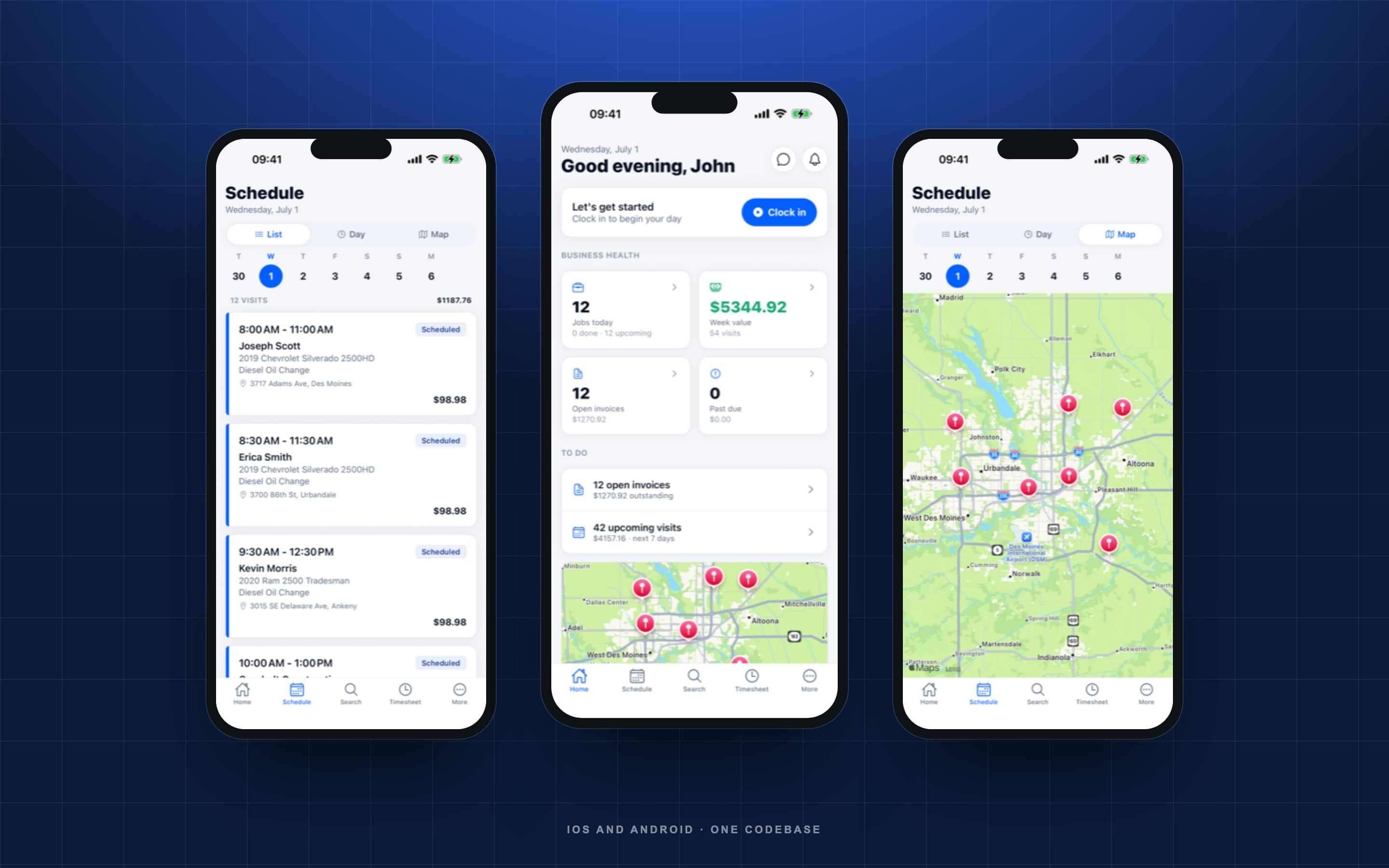
iOS and Android from one codebase, sharing your existing backend.

React Native and Expo, pointed at the same API and the same authentication as the web application — so a user who signs up on the web logs straight in on the phone. Over-the-air updates ship fixes without waiting on a store review.

What that includes

  • Shared authentication with the web app, no second account system
  • Native secure storage for tokens — Keychain and Keystore
  • Push notifications and deep links into specific screens
  • Crash reporting and over-the-air update channels
  • Store submission for both platforms

Process

Five stages, no mystery.

  1. 01

    Scope

    A conversation about what the business needs to do, not what software you think you want. Usually this is where a third of the idea gets cut, which is the point.

  2. 02

    Model

    The data model and the URL structure get decided before any pixel does. Almost every expensive mistake in a project traces back to skipping this.

  3. 03

    Build

    Shipped in working slices you can look at, not a reveal at the end. You see the real thing on a real URL early.

  4. 04

    Launch

    Deployed to your own infrastructure, in your name, with redirects mapped and analytics carried over. Nothing gets held hostage.

  5. 05

    Maintain

    Ongoing changes, content updates, and new features — or a clean handoff with documentation good enough for another developer to pick up cold.

Not sure which of these you need?

That is a normal place to start. Describe the problem in plain terms and you will get a real answer on what it takes — including when the answer is that you do not need to build anything.

Or skip the form entirely — hello@pinelandtech.com reaches a person, not a queue.